
Disclosure To Congress Of Classified UAP Information
July 30, 2025
This policy brief clarifies legal considerations around the sharing of classified UAP information with Congress, outlines whistleblower protections, and charts a path to informing congressional oversight.
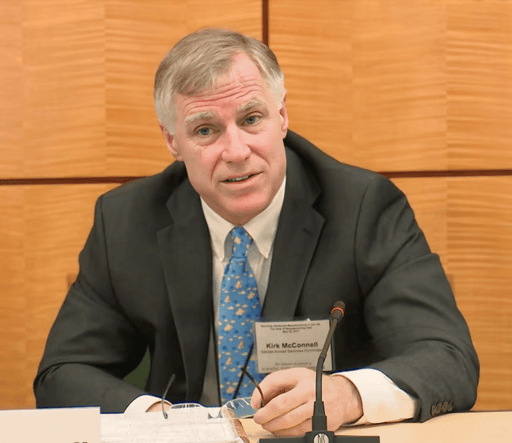



This policy brief by Kirk McConnell, Advisory Board Member; Christopher Mellon, Chairman of the Board; and Hunt Willis, Chief Legal Officer, clarifies legal considerations around the sharing of classified UAP information with Congress, outlines whistleblower protections, and charts a path to informing congressional oversight.
Whistleblowers Can Disclose Classified UAP Information to Congress, Although Certain Risks Remain
Many individuals with knowledge of classified UAP-related programs have hesitated to step forward. A common belief is that sharing this information with Congress, even in a secure and private setting, could result in criminal or civil liability.
This fear is understandable, but it is not supported by the facts.
Our new policy brief provides a clear legal analysis that shows:
- To date, no one appears to have ever been prosecuted or sued for sharing classified information with Congress behind closed doors.
- Members of Congress are constitutionally entitled to receive classified information as part of their oversight responsibilities.
- Concerns that disclosure is barred stem from lingering misconceptions about classification rules and institutional overreach, not from actual laws or court rulings.
Retaliation is still a reality: whistleblowers can lose clearances, be reassigned, or face professional backlash. The UAP Disclosure Fund helps by offering pro bono legal counsel, secure disclosure pathways, and advocacy for stronger protections.
Full Policy Brief
Bottom Line
Giving Congress the facts is lawful — and essential to democratic oversight — though whistleblowers must navigate real career risks.